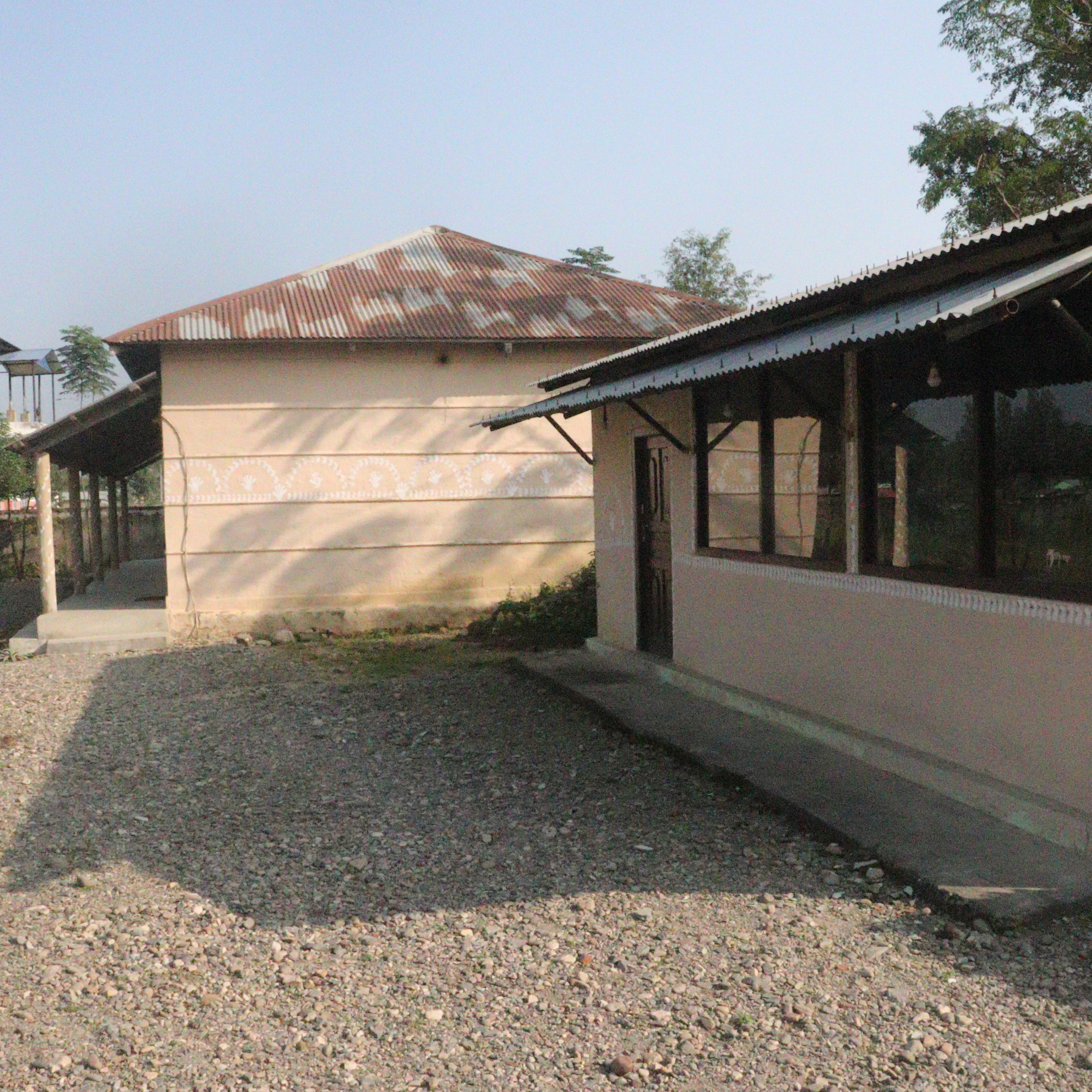
museum visit
The Museum Tour in Amaltari offers a fascinating glimpse into the rich cultural heritage and biodiversity of the region, particularly highlighting the lifestyle of the Tharu indigenous community. Located near Chitwan National Park, the museum showcases traditional Tharu artifacts, tools, clothing, and artwork, offering visitors a deeper understanding of their unique culture and history. Key features of the museum tour: Tharu Culture: Exhibits detail the traditional way of life of the Tharu people, including farming tools, fishing equipment, and household items used in their daily lives. Wildlife and Conservation: The museum also provides insights into the region's wildlife, focusing on the conservation efforts in Chitwan National Park, particularly regarding the protection of endangered species like tigers, rhinos, and vultures. Educational Experience: Visitors can learn about the symbiotic relationship between the local communities and their natural environment, as well as ongoing ecological preservation efforts. This museum tour in Amaltari is both educational and enriching, making it a must-visit for those interested in local culture and wildlife conservation.

tharu food
Tharu cuisine is simple yet flavorful, reflecting the agricultural lifestyle of the Tharu people. It includes dishes like ghonghi (snail curry), bagiya (rice flour dumplings), anadi (sticky rice), and fish from local rivers. Tharu food is often prepared with minimal spices but relies on fresh, local ingredients. Meals are typically accompanied by homemade pickles and chutney, and chyang, a local rice beer, is commonly served during celebrations. Their food reflects a deep connection to the land and local resources, offering a unique taste of rural Nepal.
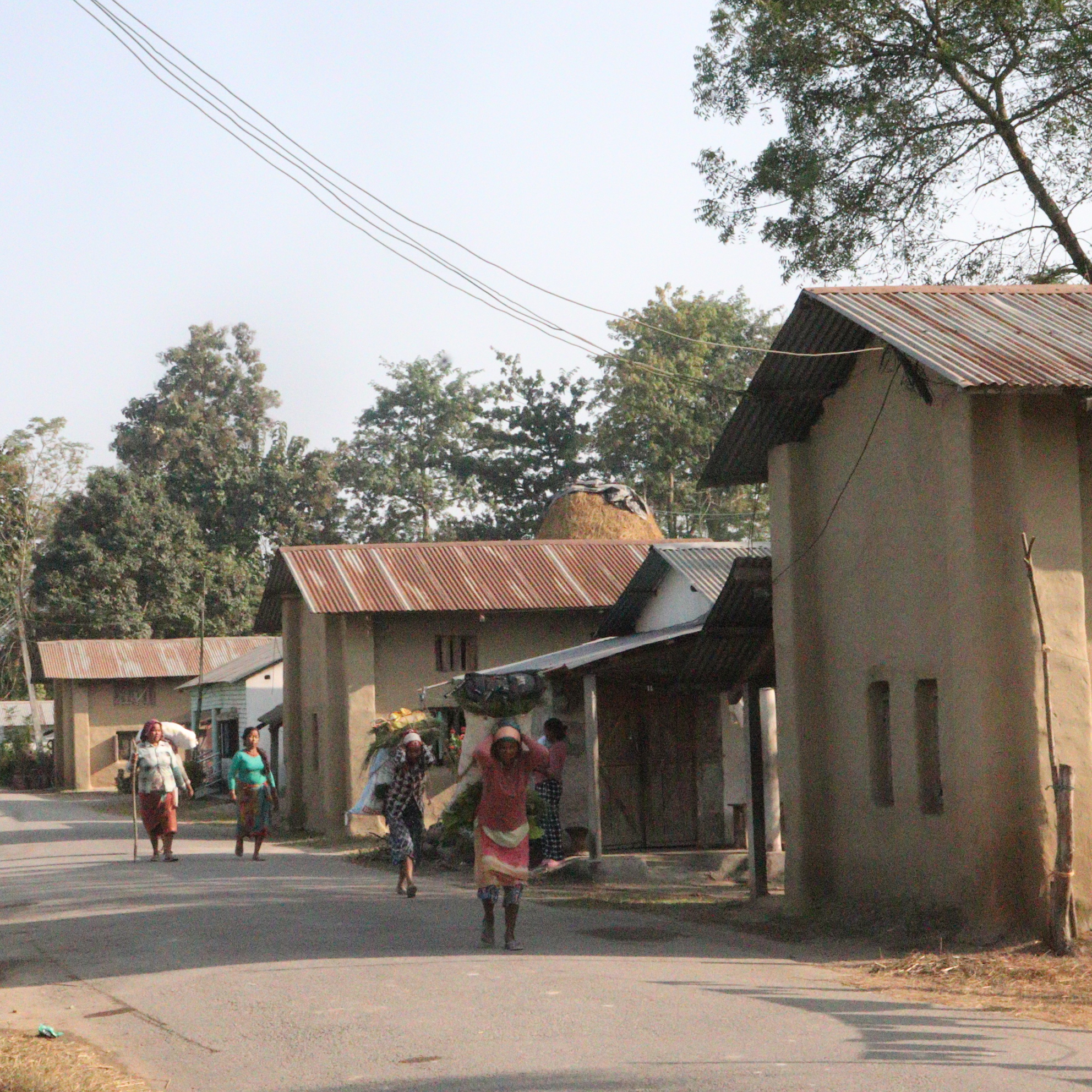
Village Tour in Amaltari: A Cultural Journey
A village tour in Amaltari offers an authentic glimpse into the vibrant life of the local Tharu community. As you wander through the picturesque village, you'll have the opportunity to experience traditional customs, practices, and the daily routines of the residents. Guided by local hosts, you'll explore thatched-roof homes, interact with villagers, and learn about their agricultural practices, crafts, and unique way of life. Many tours include demonstrations of traditional dances, cooking classes, or crafts like weaving and pottery, allowing you to engage with the culture firsthand. The warm hospitality of the Tharu people adds to the experience, making you feel welcomed and connected. A village tour not only enriches your understanding of local traditions but also supports sustainable tourism and community development, making it a rewarding addition to your visit to Amaltari.

Meet the People of Amaltari: A Heartfelt Connection
Meeting the people of Amaltari provides a unique opportunity to connect with the local Tharu community, known for their rich cultural heritage and warm hospitality. As you engage with residents, you’ll learn about their traditions, values, and everyday life in this beautiful region. Villagers are often eager to share their stories, from farming practices to local folklore. Participating in community activities, such as traditional dances or festivals, offers deeper insights into their vibrant culture. You might also enjoy home-cooked meals, allowing you to savor authentic Tharu cuisine made with fresh, local ingredients. This personal interaction fosters mutual understanding and appreciation, making your visit to Amaltari not just about sightseeing but about forming meaningful connections. Meeting the people of Amaltari enriches your travel experience, leaving you with lasting memories and a deeper appreciation for their way of life.
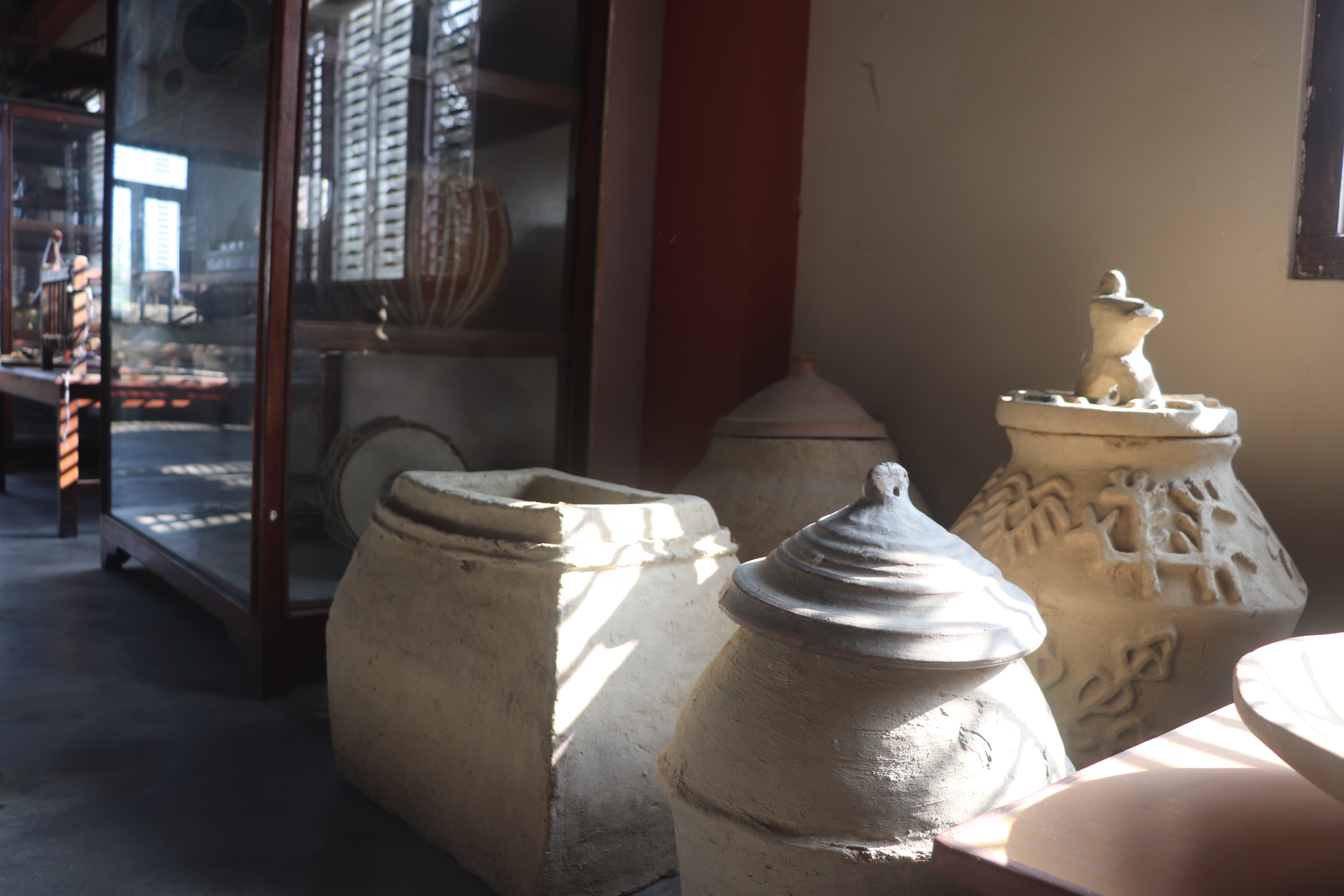
Traditional Crafts of Amaltari: A Cultural Treasure
The traditional crafts of Amaltari reflect the rich cultural heritage of the Tharu community, showcasing their creativity and resourcefulness. Visitors can explore various crafts that have been passed down through generations, offering a unique glimpse into the local way of life. 1. Weaving: Tharu women are skilled weavers, creating beautiful textiles and mats using local materials like grass and cotton. These handwoven items often feature intricate patterns and vibrant colors, reflecting cultural significance and community identity. 2. Pottery: Local artisans craft functional and decorative pottery using traditional techniques. The pottery often features unique designs, and some items are used in daily life, while others serve as decorative pieces that celebrate Tharu heritage. 3. Bamboo Crafts: The Tharu people are adept at using bamboo to create various items, including baskets, furniture, and household utensils. These crafts highlight sustainability and resourcefulness, as bamboo is abundant and versatile. 4. Painting: Traditional Tharu painting, often seen in homes, features colorful motifs and designs that depict everyday life, nature, and folklore. These artworks are not only visually appealing but also carry cultural meanings and stories. Engaging with these traditional crafts during your visit to Amaltari not only supports local artisans but also helps preserve their cultural heritage. Participating in workshops or purchasing handmade items allows you to take home a piece of this vibrant culture, enriching your travel experience.
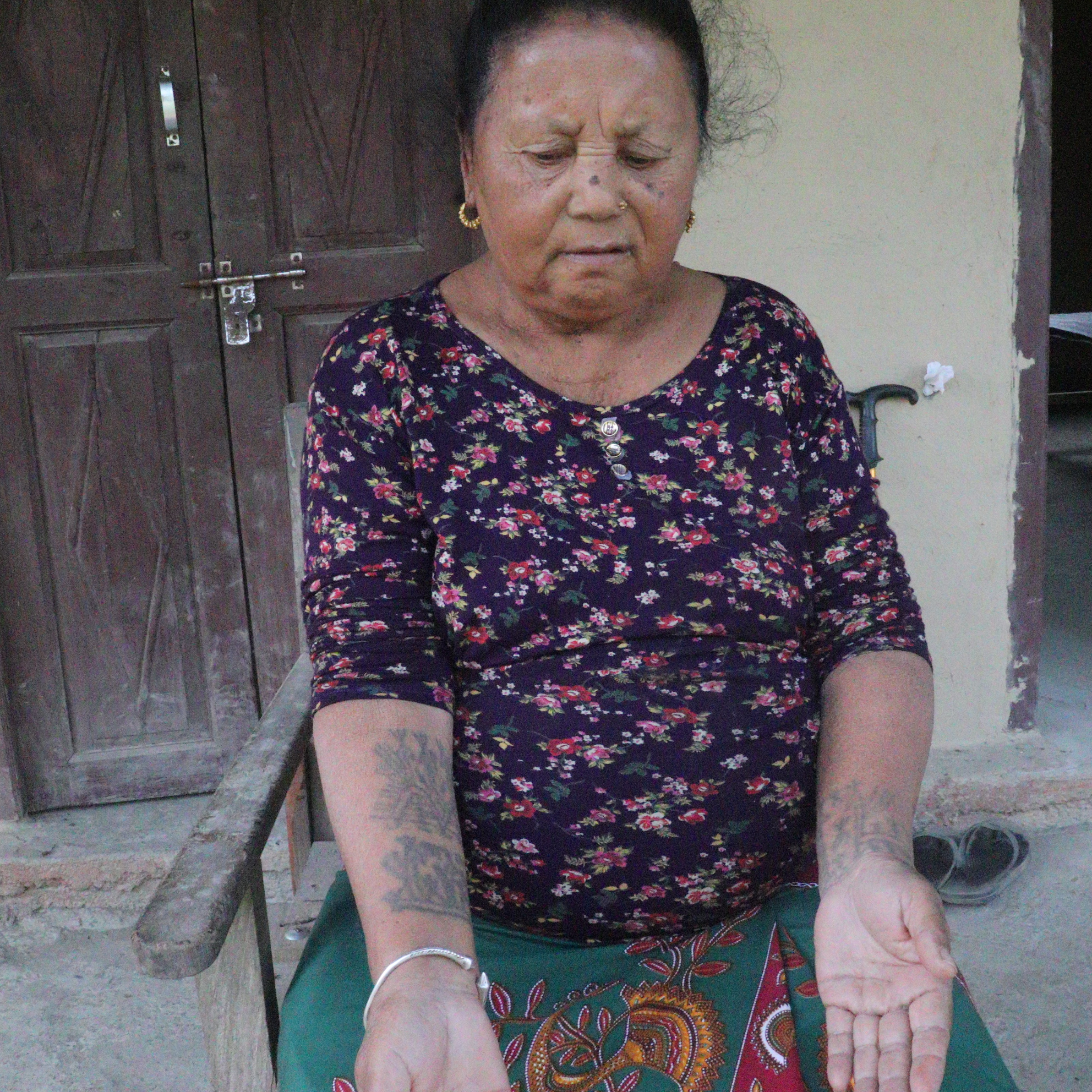
Tharu Tattoos: Cultural Significance and Artistry
Tharu tattoos are a unique and meaningful aspect of the Tharu community's cultural identity. Traditionally, these tattoos are more than just body art; they carry deep symbolic significance and reflect the community's history, beliefs, and social status. 1. Symbolism: Each tattoo often represents specific themes, such as protection, fertility, and bravery. For instance, tattoos may depict animals, plants, or geometric patterns that are believed to bring good luck or ward off evil spirits. 2. Cultural Identity: Tattoos serve as a marker of Tharu identity, connecting individuals to their heritage and community. They are often passed down through generations, reflecting the cultural continuity of the Tharu people. 3. Rites of Passage: In some cases, getting a tattoo is part of important life events, such as marriage or coming of age. This practice adds a personal and communal aspect to the art form. 4. Artistic Techniques: Traditional Tharu tattooing involves natural inks made from local materials, and the designs are applied using hand-poked techniques. The artistry varies between individuals, often showcasing the skills and creativity of the tattooist. Visiting Amaltari provides an opportunity to learn about this unique tradition, and you may even meet local artisans who can share stories and demonstrate the tattooing process. Engaging with this aspect of Tharu culture enhances your understanding of their rich heritage and offers a meaningful connection to the community.
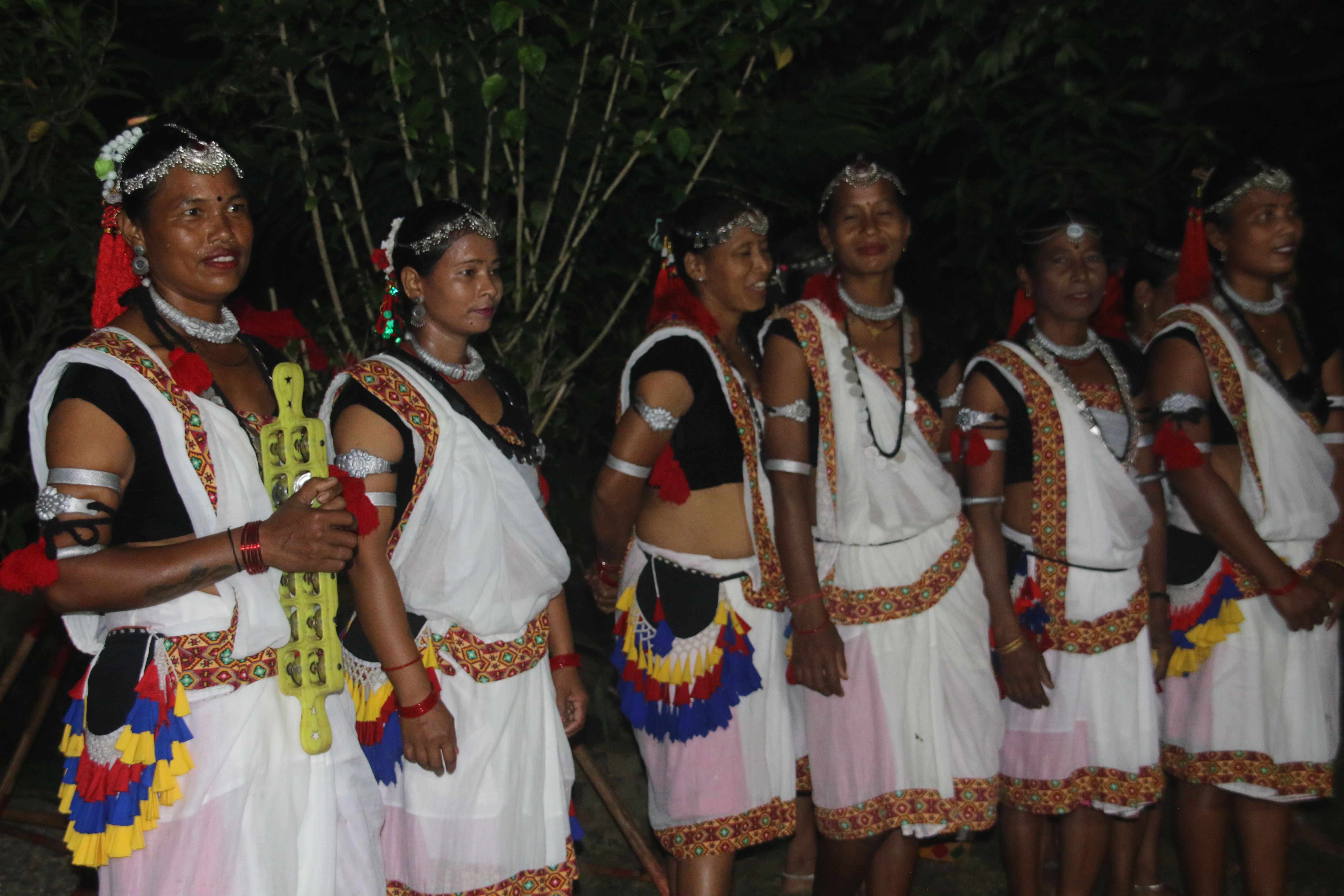
Cultural Program in Amaltari: A Celebration of Tharu Heritage
A cultural program in Amaltari offers a vibrant showcase of the Tharu community’s rich traditions and customs. These programs provide visitors with an immersive experience, highlighting the unique aspects of Tharu culture through various forms of art, dance, music, and storytelling. 1. Traditional Dances: Enjoy lively performances of traditional Tharu dances, which are often accompanied by rhythmic drumming and singing. These dances celebrate local festivals, rituals, and everyday life, showcasing the community's joyful spirit. 2. Music Performances: Local musicians play traditional instruments, creating melodies that reflect the Tharu way of life. Music plays a significant role in celebrations and ceremonies, and visitors can participate in or observe these engaging performances. 3. Craft Demonstrations: Cultural programs often include demonstrations of traditional crafts such as weaving, pottery, and bamboo work. Artisans share their skills and techniques, providing insight into the craftsmanship that defines Tharu culture. 4. Storytelling and Folklore: Learn about the rich oral traditions of the Tharu people through storytelling sessions. Local storytellers share myths, legends, and historical narratives that convey moral lessons and cultural values. 5. Culinary Experiences: Some cultural programs also feature traditional Tharu cuisine, allowing visitors to savor local dishes made from fresh ingredients. Cooking demonstrations may provide insight into the culinary traditions and practices of the community. Participating in a cultural program in Amaltari enriches your travel experience by fostering a deeper understanding of the Tharu people and their way of life. It’s a celebration of community, heritage, and shared experiences, leaving you with lasting memories and connections.
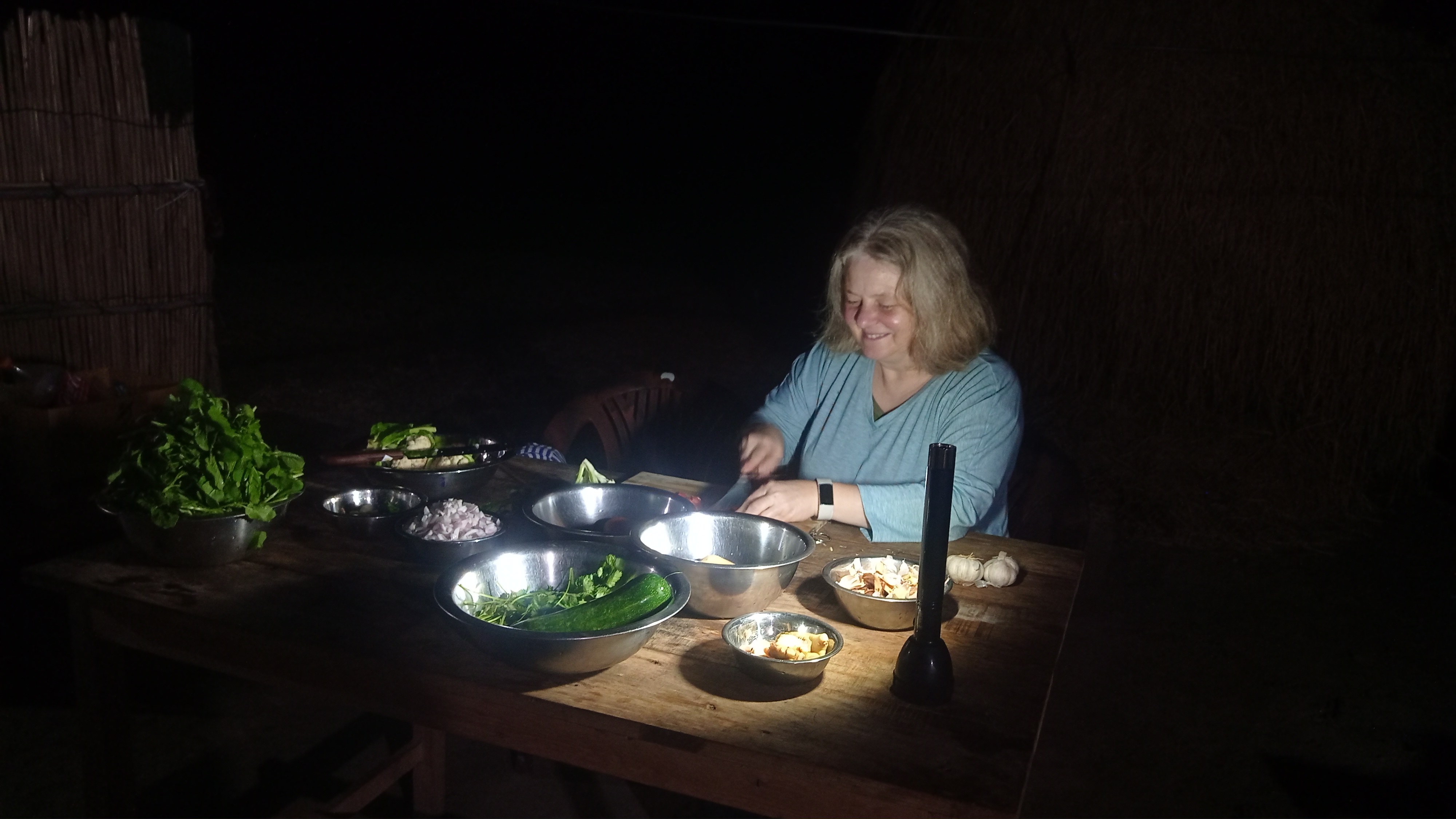
Tharu Cooking Class: A Taste of Tradition
Participating in a Tharu cooking class in Amaltari offers a unique opportunity to dive into the culinary heritage of the Tharu community. These hands-on classes allow you to learn traditional cooking techniques and recipes passed down through generations. 1. Authentic Recipes: You’ll discover how to prepare staple Tharu dishes, often made from locally sourced ingredients such as rice, lentils, vegetables, and spices. Popular dishes might include Dal Bhat (lentil soup with rice), Aloo Tama (potato and bamboo shoot curry), and various pickles and chutneys. 2. Local Ingredients: The class often emphasizes the use of fresh, seasonal ingredients, many of which are grown in the region. Learning about these ingredients provides insight into the agricultural practices and culinary traditions of the Tharu people. 3. Cooking Techniques: Instructors share traditional cooking methods, including the use of clay pots and open-fire cooking, which enhance the flavors of the dishes. You may also learn about the significance of certain cooking practices in Tharu culture. 4. Cultural Insights: Alongside cooking, classes often include discussions about the cultural significance of food in Tharu traditions, including how meals are shared during festivals and community gatherings. 5. Enjoying the Meal: After preparing the dishes, you’ll have the chance to savor your creations, often enjoyed in a communal setting. This shared meal experience fosters a sense of connection and appreciation for Tharu hospitality. Taking a Tharu cooking class not only enriches your culinary skills but also deepens your understanding of the community’s culture and traditions, making it a rewarding addition to your visit to Amaltari.